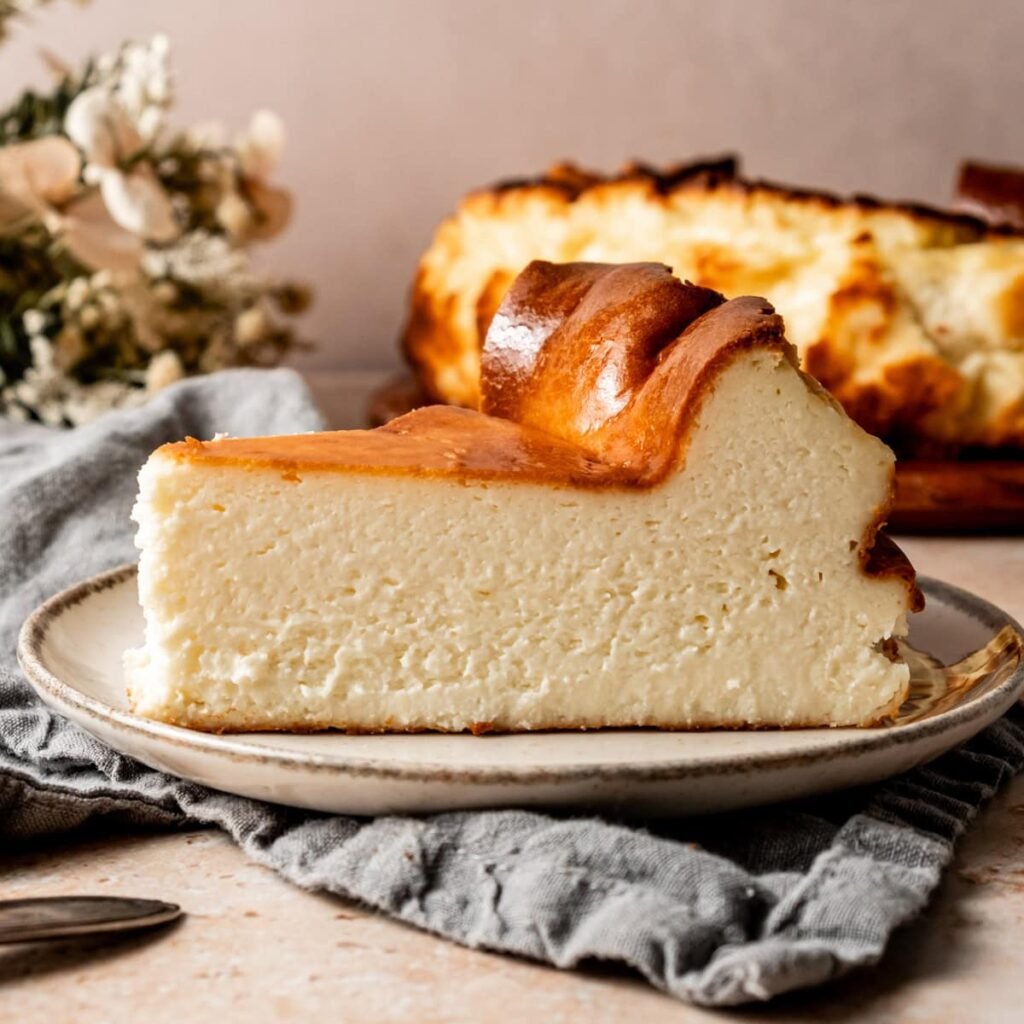
San Sebastian Cheesecake has become one of the most beloved desserts in the world. Known for its beautifully burnt top, creamy interior, and simple ingredients, this unique cheesecake has taken social media, bakeries, and home kitchens by storm. Unlike traditional cheesecakes that focus on smooth, pale surfaces and firm textures, this dessert embraces imperfection. The caramelized top and rustic appearance are part of its charm, creating a rich flavor that dessert lovers instantly recognize.
What makes San Sebastian Cheesecake stand out is its balance between simplicity and indulgence. It uses a small number of ingredients—usually cream cheese, eggs, sugar, heavy cream, and flour—yet the result is incredibly luxurious. The cheesecake is baked at a high temperature, which creates the signature dark, almost burnt surface while leaving the inside soft, creamy, and slightly custard-like.
This dessert originated in Spain but quickly gained international popularity. Today, you can find San Sebastian Cheesecake in cafés, restaurants, and bakeries around the globe. Food enthusiasts love it not only because of its flavor but also because it is relatively easy to make compared to many other cheesecake varieties.
Another reason for its popularity is its versatility. It can be served plain, with fresh berries, drizzled with caramel, or paired with coffee or tea. Whether you are a professional baker or someone trying their first homemade dessert, San Sebastian Cheesecake offers a rewarding baking experience with delicious results.
The History and Origin of San Sebastian Cheesecake
San Sebastian Cheesecake originates from the Basque region of Spain, specifically from the coastal city of San Sebastián. This dessert was first created in the 1990s at a small restaurant called La Viña. The restaurant’s owner developed a unique cheesecake recipe that intentionally baked the cake at a very high temperature, allowing the top to become deeply caramelized while the inside remained soft and creamy.
The idea behind this unconventional baking method was simple: focus on flavor rather than appearance. Traditional cheesecakes are often baked slowly in a water bath to prevent cracking or browning. However, the creators of San Sebastian Cheesecake embraced the opposite technique. By baking the cake at high heat, they produced a rich caramel flavor and a soft, almost custard-like center that quickly became popular with customers.
Over time, word spread about this delicious dessert. Tourists visiting San Sebastián began sharing their experiences and photos online, and soon food bloggers and chefs around the world started recreating the recipe. What began as a local specialty quickly evolved into an international dessert sensation.
Today, San Sebastian Cheesecake is often referred to as “Basque Burnt Cheesecake.” Despite the name, the burnt top is not actually burnt in a negative sense—it is a carefully caramelized layer that adds depth and complexity to the flavor. This contrast between the dark exterior and the creamy interior is what makes the dessert so distinctive.
The cheesecake’s journey from a small Spanish restaurant to global fame highlights the power of simple, authentic recipes. It also proves that sometimes breaking traditional baking rules can lead to something extraordinary.
Ingredients That Make San Sebastian Cheesecake Special
One of the reasons San Sebastian Cheesecake is so popular is its incredibly simple ingredient list. Unlike many desserts that require complicated techniques or specialized ingredients, this cheesecake relies on a few basic components that work together to create a rich and luxurious flavor.
The main ingredient is cream cheese, which provides the smooth and creamy texture that defines the dessert. High-quality cream cheese is essential because it forms the base of the cheesecake’s flavor. When mixed with sugar and eggs, it creates a silky batter that becomes soft and custard-like during baking.
Heavy cream is another key ingredient that adds richness and depth. It gives the cheesecake its smooth consistency and helps create the delicate balance between firmness and softness. The addition of flour or cornstarch is minimal but important because it provides a small amount of structure, ensuring the cake holds its shape while still remaining creamy inside.
Eggs play a crucial role in binding the ingredients together. They also contribute to the cheesecake’s custard-like texture. When baked at a high temperature, the eggs help create the slightly puffed edges and creamy center that make San Sebastian Cheesecake so distinctive.
Vanilla extract is often added to enhance the flavor, although some traditional recipes omit it to keep the taste simple and pure. The focus remains on the natural richness of the cream cheese and the caramelized flavor created during baking.
These ingredients combine to create a dessert that feels luxurious without being overly complicated. The simplicity of the recipe allows the baking technique to shine, making San Sebastian Cheesecake both approachable and impressive.
How to Make the Perfect San Sebastian Cheesecake
Making San Sebastian Cheesecake at home is surprisingly simple, but the baking technique is what makes the difference between an average cheesecake and a truly outstanding one. The first step is preparing the batter by mixing softened cream cheese and sugar until smooth. Eggs are added one at a time to ensure the mixture remains creamy and well combined.
Once the eggs are fully incorporated, heavy cream and a small amount of flour are mixed into the batter. The result should be smooth and slightly thick but still pourable. It is important not to overmix the batter, as this can introduce too much air and affect the final texture.
The batter is then poured into a baking pan lined with parchment paper. Unlike traditional cheesecakes, this one does not require a perfectly smooth surface. The rustic look is part of its appeal, and the parchment paper creates the characteristic wrinkled edges.
The key step is baking the cheesecake at a very high temperature, usually around 220–240°C (425–465°F). This intense heat allows the top to caramelize and darken while the inside remains creamy. The cheesecake may look slightly underbaked in the center when removed from the oven, but it will continue to set as it cools.
Cooling is another important part of the process. The cheesecake should be allowed to cool completely at room temperature before being refrigerated for several hours. This resting time helps the flavors develop and gives the cake its signature creamy texture.
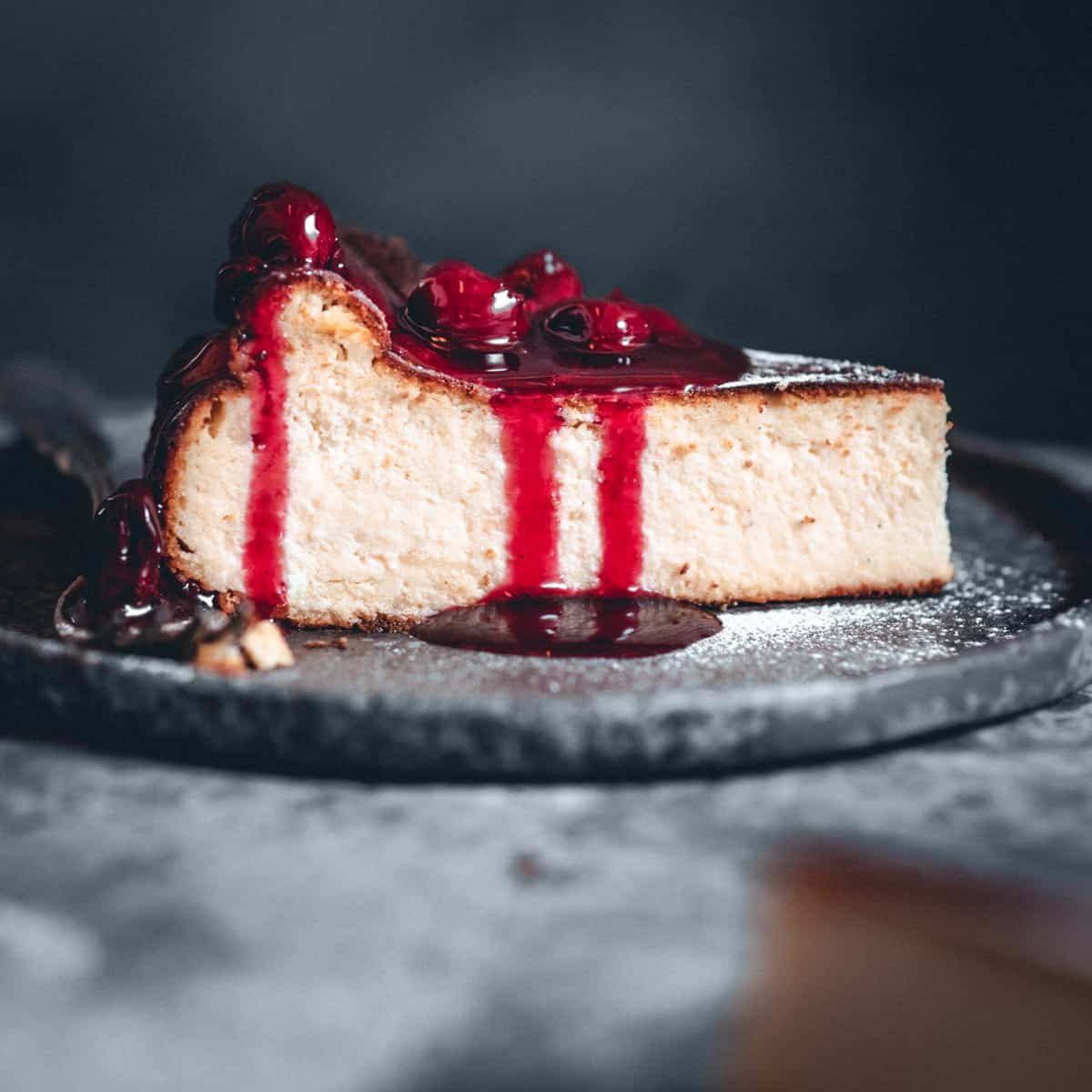
When sliced, a perfectly baked San Sebastian Cheesecake reveals a soft, smooth interior contrasted by a deeply caramelized top. This balance of textures and flavors is what makes the dessert unforgettable.
Tips for Baking the Best San Sebastian Cheesecake
Even though the recipe is simple, a few helpful tips can significantly improve the final result. One of the most important tips is using room-temperature ingredients. Softened cream cheese and eggs mix more easily, creating a smoother batter and preventing lumps in the cheesecake.
Another helpful tip is choosing the right baking pan. A springform pan works well because it allows the cheesecake to be removed easily once it has cooled. Lining the pan with parchment paper ensures that the edges develop the classic rustic appearance while preventing the batter from sticking.
High heat is essential for achieving the iconic caramelized top. Some bakers may feel nervous when they see the dark surface forming in the oven, but this is exactly what gives the cheesecake its unique flavor. The dark color is not a mistake—it is a key feature of the dessert.
Timing is also important. Overbaking can make the cheesecake too firm, while underbaking may cause it to collapse completely. The ideal cheesecake should still have a slight jiggle in the center when removed from the oven.
Finally, patience is crucial. Allowing the cheesecake to rest and chill enhances the texture and flavor. Cutting into it too soon may cause it to lose its structure, while proper cooling creates the perfect creamy consistency.
Conclusion
San Sebastian Cheesecake is a remarkable dessert that proves simplicity can lead to extraordinary results. With just a handful of ingredients and a unique high-heat baking method, this Basque specialty has captured the hearts of dessert lovers around the world. Its caramelized top, creamy interior, and rustic appearance make it both visually striking and incredibly delicious.
What makes this cheesecake truly special is its balance between ease and sophistication. It is simple enough for home bakers to prepare, yet impressive enough to serve at special occasions or dinner parties. The contrast between the burnt exterior and the smooth, custard-like center creates a flavor experience unlike any traditional cheesecake.
As more people discover the joy of baking San Sebastian Cheesecake, its reputation continues to grow. Whether enjoyed in a Spanish café or made in a home kitchen, this dessert remains a perfect example of how a simple recipe can become a global culinary icon.
Frequently Asked Questions
What is San Sebastian Cheesecake?
San Sebastian Cheesecake, also known as Basque Burnt Cheesecake, is a Spanish dessert known for its caramelized top and creamy interior.
Why is the top of San Sebastian Cheesecake burnt?
The dark top is intentionally caramelized during high-temperature baking, which creates a rich and slightly smoky flavor.
Do you need a water bath for San Sebastian Cheesecake?
No, this cheesecake is baked without a water bath, which helps achieve the signature burnt surface.
How is San Sebastian Cheesecake different from regular cheesecake?
Unlike traditional cheesecakes, it has a caramelized top, a softer interior, and a more rustic appearance.
Can San Sebastian Cheesecake be made ahead of time?
Yes, it is often better when chilled for several hours or overnight because the flavors and texture improve.
What toppings go well with San Sebastian Cheesecake?
Fresh berries, caramel sauce, chocolate drizzle, or powdered sugar are popular toppings.
arlso Read san gluten free yorkshire pudding