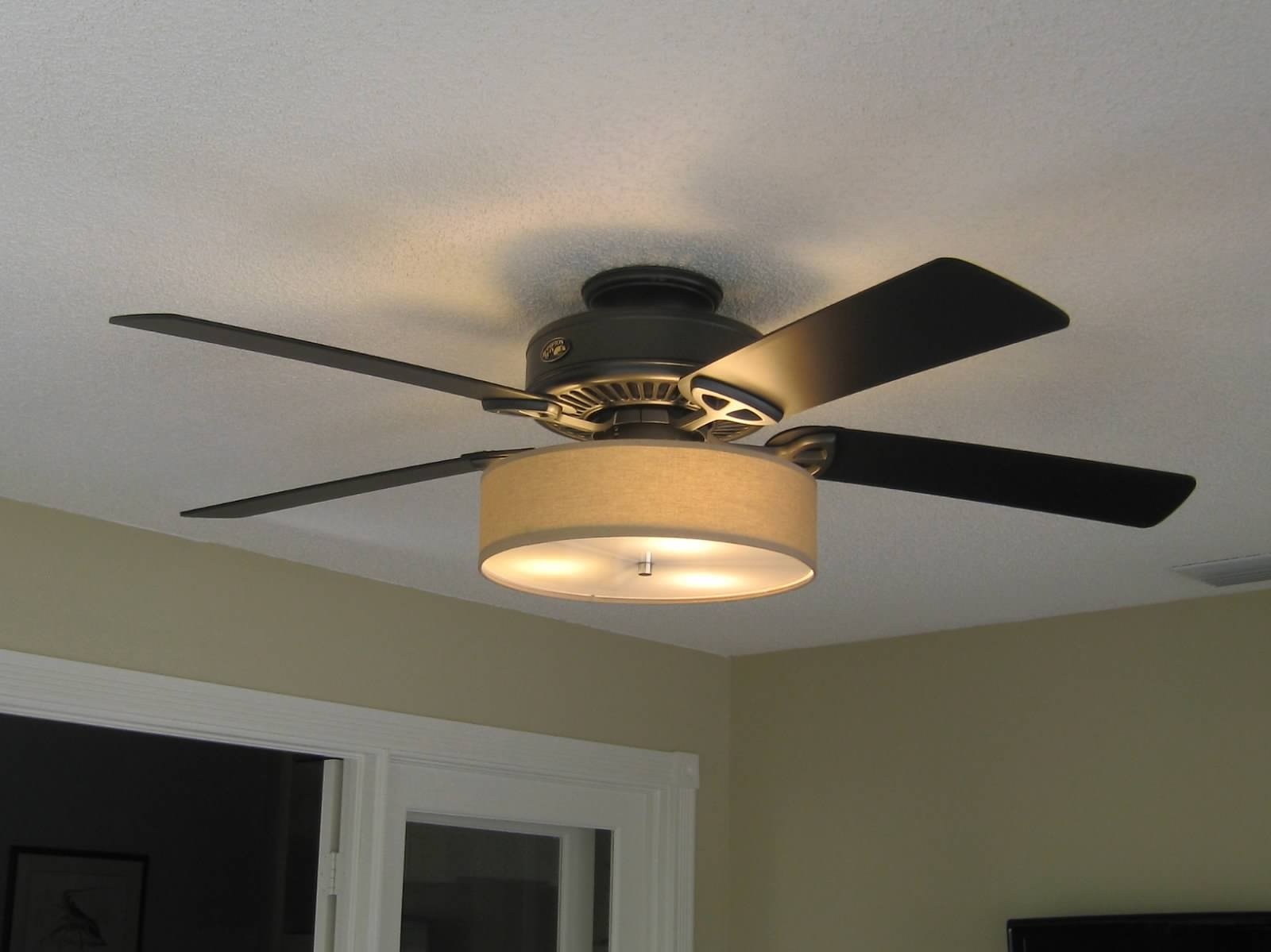
A low profile ceiling fan with light is one of the smartest home improvement solutions for modern homes, especially for rooms with low ceilings. These fans are designed to sit close to the ceiling while providing both cooling and lighting in one compact unit. In today’s world, where space-saving and multi-functional appliances are becoming more popular, this type of ceiling fan has become a top choice for homeowners, apartment dwellers, and office owners.
Many people struggle with rooms that feel hot but cannot install a standard ceiling fan due to low ceiling height. A low profile ceiling fan solves this problem by offering a flush mount design that does not hang too low. At the same time, the built-in light fixture eliminates the need for separate lighting, making the room look clean, modern, and organized.
This article will help you understand everything about low profile ceiling fans with lights, including their benefits, types, how to choose the best one, installation tips, maintenance, and common mistakes to avoid. By the end of this guide, you will be able to choose the perfect fan for your space with confidence.
What Is a Low Profile Ceiling Fan With Light?
A low profile ceiling fan with light, also known as a flush mount or hugger fan, is a ceiling fan that is installed very close to the ceiling. Unlike standard ceiling fans that hang down using a rod, low profile fans are mounted directly to the ceiling bracket. This makes them ideal for rooms with ceilings lower than 8 feet where safety and space are important concerns.
The main feature that makes these fans unique is the built-in lighting system. Most low profile ceiling fans come with LED lights, which are energy-efficient and long-lasting. The light fixture is usually attached under the fan, providing central lighting for the entire room. This combination of cooling and lighting makes the fan a practical and cost-effective solution.
Another important difference between low profile fans and standard fans is their design. Low profile fans are usually more compact, modern, and stylish. They are designed to blend into the ceiling and not take up visual space, which makes the room look bigger and cleaner. These fans are perfect for bedrooms, small living rooms, kitchens, hallways, and offices.
Benefits of a Low Profile Ceiling Fan With Light
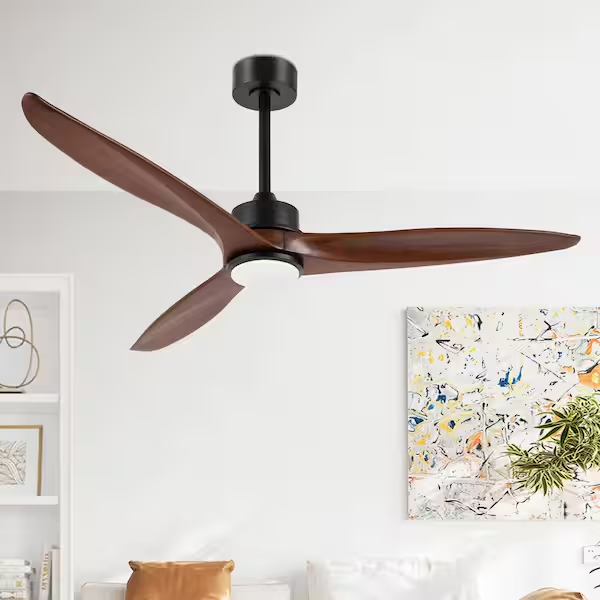
One of the biggest benefits of a low profile ceiling fan with light is its space-saving design. In rooms with low ceilings, a standard ceiling fan can be dangerous because it hangs too low. A low profile fan solves this issue by staying close to the ceiling while still providing good airflow. This makes it a safe and practical choice for small rooms and apartments.
Another major advantage is energy efficiency. Ceiling fans use much less electricity compared to air conditioners. When combined with LED lighting, a low profile ceiling fan becomes an energy-saving appliance that reduces electricity bills. You can use the fan and light together or separately, depending on your needs, which helps save even more energy.
These fans also improve the overall look of a room. Modern low profile ceiling fans come in many styles such as minimalist, contemporary, rustic, and traditional. Some models even include remote controls and smart features, allowing you to control fan speed and lighting with ease. In addition, most low profile fans are designed to operate quietly, making them perfect for bedrooms and study areas where noise can be a problem.
Types of Low Profile Ceiling Fans With Lights
There are several types of low profile ceiling fans with lights available on the market. The most common type is the flush mount ceiling fan. This fan is mounted directly against the ceiling with no downrod, making it perfect for very low ceilings. It is simple, compact, and widely used in small rooms.
Another popular type is the hugger ceiling fan. Hugger fans are similar to flush mount fans but are designed with a special mounting system that “hugs” the ceiling. These fans are great for rooms where you need a fan but have limited vertical space. They provide good airflow while maintaining a low height.
Smart ceiling fans with lights are becoming increasingly popular. These fans can be controlled using a smartphone app, remote control, or voice assistant. You can change fan speed, adjust light brightness, and even set timers. LED ceiling fans are another great option because they use less energy and last longer than traditional bulbs. Choosing the right type depends on your room size, budget, and personal preference.
How to Choose the Best Low Profile Ceiling Fan With Light
Choosing the right low profile ceiling fan with light depends on several important factors. The first thing to consider is room size. Small rooms need smaller fans, while larger rooms need fans with bigger blades to move more air. If you choose the wrong fan size, the room may not get enough airflow.
Another important factor is motor power and airflow efficiency. A good ceiling fan should provide strong airflow but operate quietly. You should also check the lighting type. Many modern fans come with LED lights that are dimmable and allow you to switch between warm and white light. This helps create the perfect atmosphere in your room.
You should also consider the blade material and design. Wooden blades look stylish, while metal blades are more durable. Some fans come with remote controls and smart features, which add convenience. Finally, always consider your budget and choose a reliable brand that offers a warranty. A ceiling fan is a long-term investment, so quality is very important.
Installation Guide
Installing a low profile ceiling fan with light is not very difficult, but it requires basic electrical knowledge and the right tools. Before installation, make sure to turn off the electricity from the main switch to avoid accidents. You will need tools such as a screwdriver, ladder, wire cutter, and voltage tester.
The installation process usually starts with mounting the ceiling bracket. After that, the fan wires are connected to the house wires according to the instruction manual. Once the wiring is complete, the fan motor is attached to the bracket, and the blades are installed. Finally, the light kit is attached, and the fan is tested.
If you are not comfortable working with electricity, it is always better to hire a professional electrician. Proper installation is important for safety and for the fan to work efficiently. Incorrect installation can cause noise, wobbling, or electrical issues.
Maintenance and Cleaning Tips
Proper maintenance can increase the life of your low profile ceiling fan with light. One of the most important things is regular cleaning. Dust collects on fan blades over time, which can reduce airflow and make the fan wobble. Cleaning the blades once every month helps maintain performance.
You should also check the light fixture and replace LED bulbs if needed. Although LED lights last a long time, they may eventually need replacement. Make sure to use compatible bulbs recommended by the manufacturer.
Another maintenance tip is to check screws and blade fittings regularly. Loose screws can cause noise and wobbling. If the fan makes unusual sounds, it may need tightening or balancing. Regular maintenance ensures the fan runs smoothly and quietly for many years.
Common Mistakes to Avoid When Buying
Many people make the mistake of buying the wrong fan size for their room. A fan that is too small will not provide enough airflow, while a fan that is too big may look awkward in a small room. Always measure your room before buying a ceiling fan.
Another common mistake is ignoring ceiling height. Even though low profile fans are designed for low ceilings, you should still measure the height to ensure safe installation. People also often ignore lighting quality. Some fans have dim lights that are not bright enough for the room.
Lastly, many buyers ignore energy efficiency and noise level. A cheap fan may consume more electricity and produce more noise. Always check product specifications, reviews, and warranty before making a purchase.
Conclusion
A low profile ceiling fan with light is a perfect solution for rooms with low ceilings, small spaces, and modern homes. It combines cooling and lighting in one compact unit, saving space, energy, and money. With many stylish designs and smart features available today, these fans are both functional and decorative.
When choosing a low profile ceiling fan, it is important to consider room size, airflow, lighting type, and energy efficiency. Proper installation and regular maintenance will ensure the fan works efficiently for many years. By avoiding common buying mistakes, you can find the perfect fan for your home.
In the long run, a low profile ceiling fan with light is a smart investment that improves comfort, enhances room design, and reduces energy costs.
Frequently Asked Questions
What is a low profile ceiling fan with light?
A low profile ceiling fan with light is a flush-mounted fan designed for low ceilings that includes a built-in light fixture.
Are low profile ceiling fans good for low ceilings?
Yes, they are specifically designed for rooms with ceilings lower than 8 feet.
Do low profile ceiling fans give enough air?
Yes, if you choose the correct size and a high-quality motor, they provide good airflow.
Are LED ceiling fans energy efficient?
Yes, LED lights and modern fan motors consume very little electricity.
Can I install a low profile ceiling fan myself?
Yes, but only if you have basic electrical knowledge. Otherwise, hire a professional.
What size ceiling fan is best for a small room?
Fans between 36 to 44 inches are ideal for small rooms.
Are low profile ceiling fans noisy?
Most modern low profile fans are designed to operate quietly.
What is the difference between flush mount and hugger fans?
Both are low profile fans, but hugger fans are designed to fit even closer to the ceiling.
How long do LED ceiling fan lights last?
LED lights can last up to 25,000–50,000 hours.
Are low profile ceiling fans expensive?
They are available in budget, mid-range, and premium options depending on features and brand.
You May Also Read incandescent light bulb