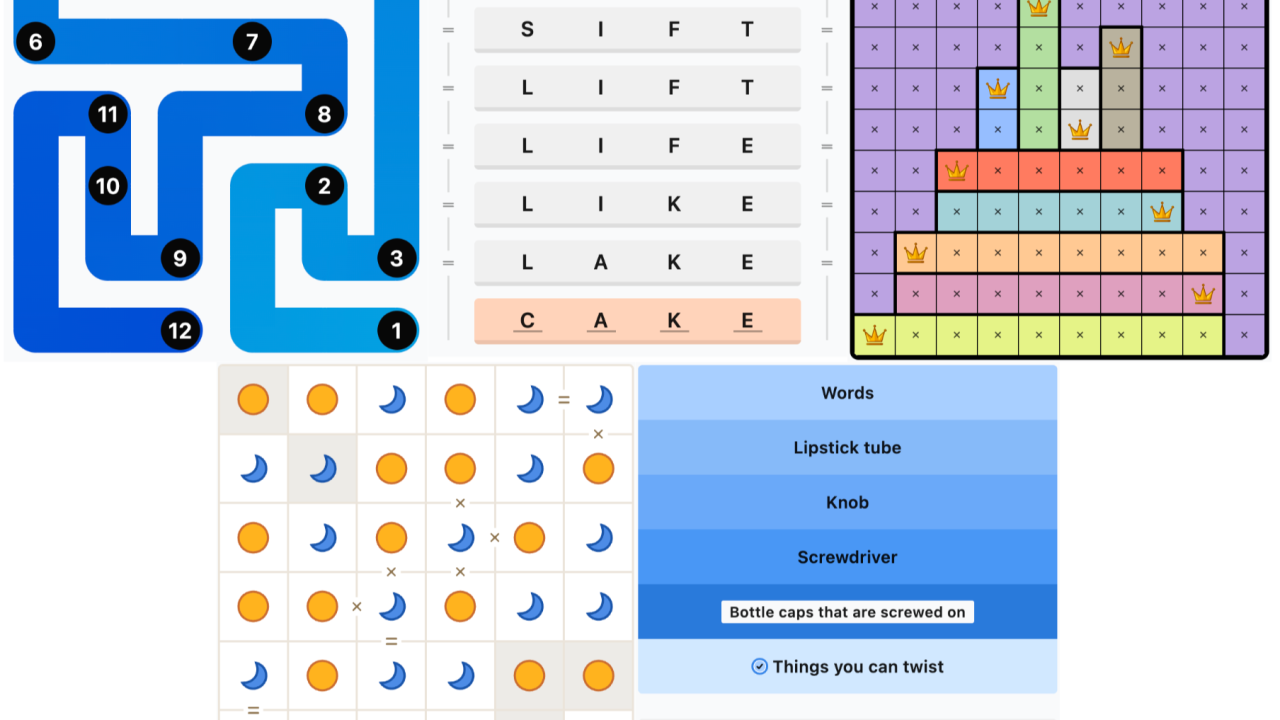
In recent years, the digital workplace has undergone a significant transformation, blending productivity with engagement in creative ways. One of the most interesting developments in this space is the rise of LinkedIn Games. These games are designed not just for entertainment but also to enhance cognitive abilities while fostering interaction among professionals. As work becomes increasingly digital, such features offer a refreshing break from routine tasks while still keeping users within a professional ecosystem.
LinkedIn Games represent a shift in how people perceive professional platforms. Traditionally used for networking, job hunting, and personal branding, LinkedIn has expanded its functionality by introducing gamified experiences. These games provide users with a daily mental challenge, encouraging them to think critically, solve problems, and engage with their network in a more dynamic way.
The growing popularity of these games highlights a broader trend: the integration of fun and functionality. Professionals today seek platforms that not only help them grow their careers but also support mental well-being and skill development. LinkedIn Games meet this demand by offering quick, stimulating challenges that can be completed during short breaks.
In this article, we will explore everything you need to know about LinkedIn Games, from their purpose and benefits to strategies for success. Whether you are a casual user or a competitive player, this guide will help you make the most of this innovative feature.
What Are LinkedIn Games?
LinkedIn Games are a collection of interactive puzzles and brain teasers integrated directly into the LinkedIn platform. Unlike traditional games that focus purely on entertainment, these games are designed to challenge the mind and promote logical thinking. They often include word puzzles, pattern recognition tasks, and problem-solving challenges that require focus and strategy.
These games are unique because they are embedded within a professional environment. Instead of switching to another app for entertainment, users can engage in a quick mental exercise without leaving LinkedIn. This seamless integration ensures that users remain connected to their professional network while enjoying a moment of relaxation.
Another defining feature of LinkedIn Games is their simplicity and accessibility. Most games are designed to be completed in a few minutes, making them ideal for short breaks during the workday. Despite their simplicity, they offer enough complexity to keep users engaged and coming back for more.
Ultimately, LinkedIn Games serve a dual purpose: they entertain while also enhancing cognitive skills. This makes them particularly appealing to professionals who value both productivity and personal growth.
History and Evolution of LinkedIn Games
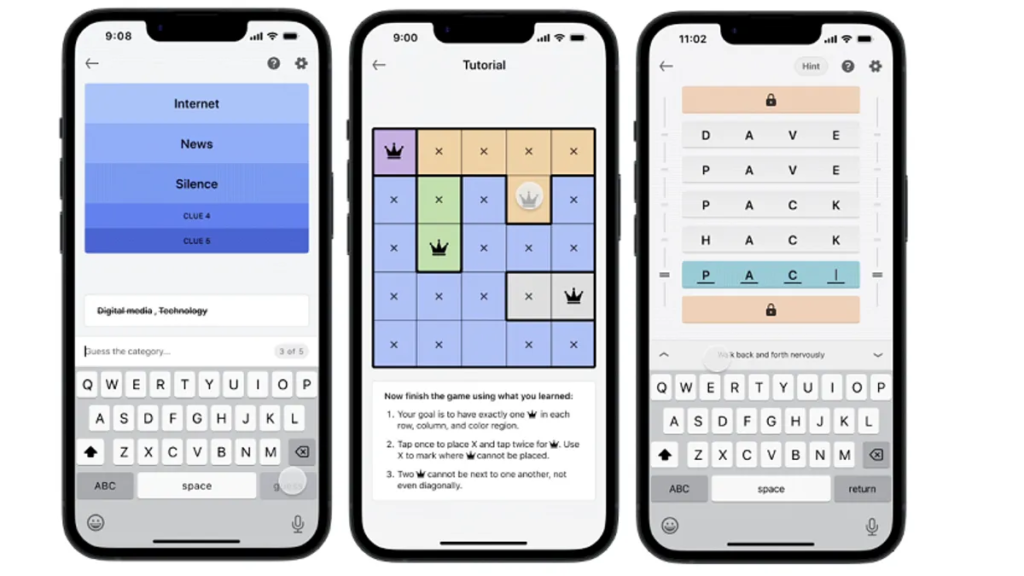
The introduction of LinkedIn Games marks a significant milestone in the platform’s evolution. Originally launched as a professional networking site, LinkedIn has continuously adapted to meet the changing needs of its users. The addition of games reflects a deeper understanding of user behavior and the importance of engagement.
Gamification has been a growing trend across digital platforms, and LinkedIn’s adoption of this concept demonstrates its commitment to innovation. By incorporating game elements, the platform has successfully increased user interaction and retention. Users now have more reasons to log in daily, beyond checking messages or job updates.
Over time, these games have evolved to include more diverse challenges and improved user experiences. Features like daily streaks, leaderboards, and social sharing have made the games more interactive and competitive. This evolution has transformed LinkedIn Games from a simple feature into a key engagement tool.
Looking ahead, the future of LinkedIn Games appears promising. As technology advances, we can expect more sophisticated games, possibly incorporating artificial intelligence and personalized challenges tailored to individual users.
Types of LinkedIn Games You Can Play
LinkedIn Games offer a variety of puzzle types designed to cater to different interests and skill levels. One of the most popular categories is word-based games, where players must form words, solve anagrams, or complete linguistic challenges. These games are excellent for improving vocabulary and language skills.
Another common type is logic and reasoning games. These puzzles require players to analyze patterns, identify sequences, and make strategic decisions. They are particularly beneficial for enhancing problem-solving abilities and critical thinking.
Pattern recognition games are also widely featured. These challenges test a player’s ability to identify trends and predict outcomes based on visual or numerical data. Such games are not only engaging but also help improve analytical skills.
Additionally, many games include varying difficulty levels, allowing users to progress as they improve. This ensures that both beginners and experienced players can enjoy the experience while continuously challenging themselves.
How to Access and Play LinkedIn Games
Accessing LinkedIn Games is simple and user-friendly. They are typically available through the LinkedIn homepage or dedicated sections within the platform. Users can easily find and start playing with just a few clicks, whether they are using a desktop or mobile device.
Once inside the game interface, players are usually presented with a daily challenge. These challenges reset every day, encouraging users to return regularly and maintain a streak. This daily format adds an element of consistency and habit-building.
Scoring systems and leaderboards are integral parts of the experience. Players can track their performance and compare scores with their connections. This competitive aspect adds excitement and motivates users to improve their skills.
Overall, the ease of access and intuitive design make LinkedIn Games accessible to a wide audience, regardless of technical expertise.
Benefits of Playing LinkedIn Games
One of the primary benefits of LinkedIn Games is cognitive enhancement. These games stimulate the brain, improving memory, concentration, and problem-solving skills. Regular play can lead to noticeable improvements in mental agility.
In addition to cognitive benefits, these games also offer professional advantages. By engaging with games and sharing results, users can increase their visibility within their network. This can lead to more interactions and stronger professional relationships.
LinkedIn Games also serve as a stress-relief tool. Taking short breaks to play a quick puzzle can help reduce mental fatigue and improve overall productivity. This balance between work and relaxation is essential in today’s fast-paced work environment.
Furthermore, the games encourage discipline and consistency. Daily challenges motivate users to build a routine, which can translate into better habits in other areas of life.
How LinkedIn Games Boost Professional Networking
LinkedIn Games are not just about individual play; they also foster social interaction. Sharing scores and achievements allows users to engage with their connections in a fun and informal way. This can lead to meaningful conversations and stronger relationships.
Friendly competition is another key aspect. Competing with colleagues or peers adds excitement and encourages regular participation. It also creates opportunities for collaboration and mutual encouragement.
These games can act as conversation starters. Commenting on a connection’s performance or discussing strategies can lead to deeper interactions. This is particularly valuable for professionals looking to expand their network.
In essence, LinkedIn Games transform networking from a formal activity into a more relaxed and engaging experience.
Top Strategies to Win LinkedIn Games
Success in LinkedIn Games requires a combination of skill and strategy. Understanding the mechanics of each game is crucial. Taking time to learn the rules and objectives can significantly improve performance.
Time management is another important factor. Many games are time-based, so efficient decision-making is key. Practicing regularly can help players develop quicker reflexes and better judgment.
Recognizing patterns and trends is essential for solving puzzles بسرعة. Players who can identify recurring elements will have a significant advantage. This skill improves with experience and observation.
Finally, consistency is the key to mastery. Playing daily and learning from mistakes will lead to steady improvement over time.
Conclusion
LinkedIn Games represent a unique blend of entertainment, learning, and professional engagement. They offer a refreshing way to break the monotony of daily tasks while still contributing to personal and professional growth. By integrating games into a professional platform, LinkedIn has created a feature that appeals to a wide range of users.
These games are more than just a pastime; they are a tool for cognitive development and networking. Whether you are looking to sharpen your mind, connect with others, or simply relax, LinkedIn Games provide a valuable experience.
As the platform continues to evolve, the role of gamification is likely to expand. Embracing these features can help professionals stay engaged, productive, and connected in an increasingly digital world.
Frequently Asked Questions
What are LinkedIn Games?
They are interactive puzzles and challenges designed to enhance cognitive skills and engagement.
Are LinkedIn Games free to play?
Yes, they are typically available to all LinkedIn users without additional cost.
How often are new games released?
Most games feature daily challenges that update regularly.
Can these games improve professional skills?
Yes, they enhance problem-solving, focus, and analytical thinking.
Do LinkedIn Games affect profile visibility?
Engagement can increase visibility through interactions and shares.
Can I play on mobile devices?
Yes, they are accessible on both mobile and desktop platforms.
Are the games competitive?
They include leaderboards, making them both fun and competitive.
How can I improve my performance?
Practice regularly and focus on understanding patterns.
Can I play with colleagues?
Yes, you can compete and share results with your network.
Will more games be added in the future?
It is highly likely as gamification continues to grow.
You May Also Read pin board