The incandescent light bulb is one of the most important inventions in human history, fundamentally changing the way people live, work, and interact with their environment. Before electric lighting, people relied on candles, oil lamps, and gas lights, which were not only dim but also dangerous. The invention of the incandescent light bulb made it possible to safely and efficiently illuminate homes, streets, and workplaces, extending productive hours beyond daylight. Even in today’s world of advanced lighting technologies like LEDs and smart lighting systems, incandescent bulbs still hold historical, practical, and aesthetic value.
Although many countries are gradually phasing out incandescent bulbs due to energy efficiency concerns, these bulbs are still widely used in certain applications. Their warm light, affordability, and compatibility with dimmer switches make them popular for decorative lighting, photography, and household use. Understanding how incandescent bulbs work, their advantages and disadvantages, and how they compare to modern lighting options can help consumers make better lighting decisions for their homes and businesses.
This article explores everything you need to know about incandescent light bulbs, including their history, working principle, types, uses, and environmental impact. Whether you are a student, homeowner, or lighting enthusiast, this complete guide will help you understand the importance and relevance of incandescent lighting in the modern world.
What Is an Incandescent Light Bulb?
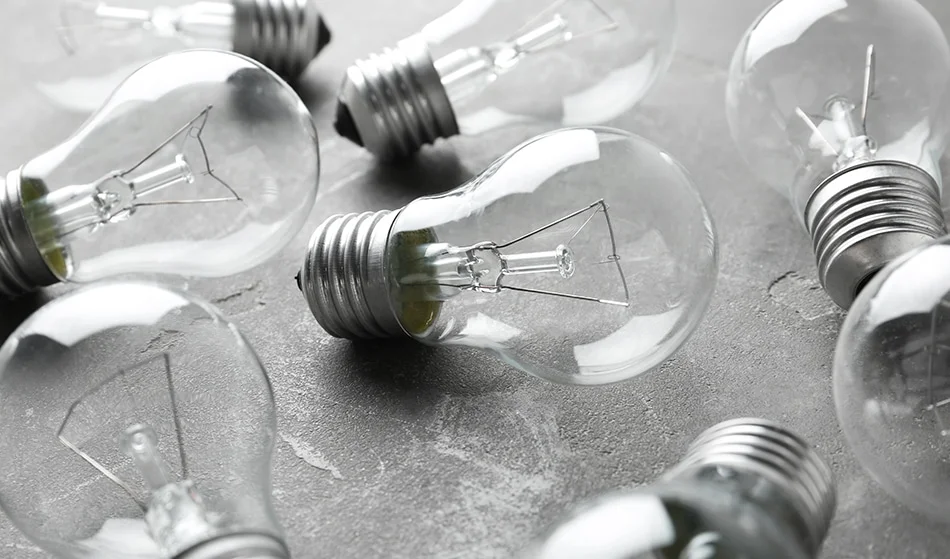
An incandescent light bulb is an electric light that produces light by heating a thin filament wire until it glows. This process is called incandescence, which means emitting light as a result of being heated. When electricity passes through the filament, it heats up to a very high temperature, causing it to glow and produce light. This is the basic working principle behind all traditional incandescent bulbs used in homes and buildings for more than a century.
The main component inside an incandescent bulb is a tungsten filament. Tungsten is used because it can withstand extremely high temperatures without melting. The filament is enclosed inside a glass bulb filled with an inert gas such as argon or nitrogen. This gas prevents the filament from burning out quickly and helps increase the lifespan of the bulb. When the bulb is turned on, electricity flows through the filament, heating it to temperatures around 2,000 to 3,000 degrees Celsius, which produces visible light.
Incandescent bulbs are known for producing warm, yellowish light that is comfortable for the human eye. This is one of the main reasons why many people still prefer incandescent lighting for living rooms, bedrooms, and decorative fixtures. However, a major drawback of incandescent bulbs is that a large portion of the energy they use is converted into heat rather than light, making them less energy-efficient compared to modern lighting technologies like LED and CFL bulbs.
History of the Incandescent Light Bulb
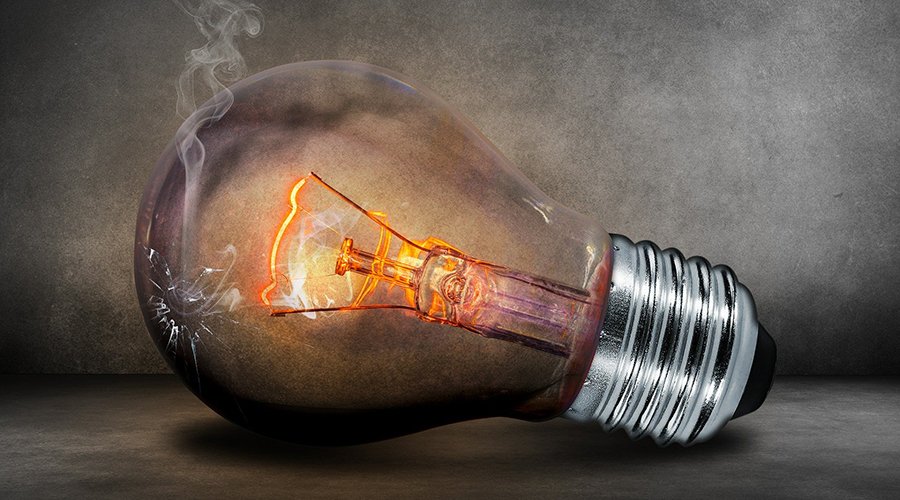
The history of the incandescent light bulb is long and involves many inventors and scientists who contributed to its development. Early experiments with electric lighting began in the early 19th century, when scientists discovered that electric current could heat a wire and produce light. However, early bulbs did not last long and were not practical for everyday use because the filaments burned out quickly.
One of the most famous inventors associated with the incandescent light bulb is Thomas Edison. In 1879, Edison developed a practical and long-lasting incandescent bulb using a carbon filament. His design was the first commercially successful electric light bulb, which led to the widespread adoption of electric lighting in homes and cities. Although Edison did not invent the light bulb entirely on his own, he improved existing designs and created a complete electrical system that made electric lighting practical and affordable.
Over time, incandescent bulbs were improved by using better filament materials such as tungsten, which increased the lifespan and efficiency of the bulbs. By the early 20th century, incandescent lighting became the standard form of lighting around the world. Cities were illuminated, factories could operate at night, and homes became safer and more comfortable. The incandescent light bulb played a major role in industrialization and modernization, making it one of the most influential inventions in human history.
Types of Incandescent Light Bulbs
There are several types of incandescent light bulbs, each designed for different purposes and applications. The most common type is the standard incandescent bulb, which is used in household lamps, ceiling fixtures, and table lamps. These bulbs come in different wattages such as 40W, 60W, 75W, and 100W, allowing users to choose the brightness level they need. Standard incandescent bulbs are inexpensive and provide warm, comfortable lighting.
Another popular type is the halogen incandescent bulb. Halogen bulbs are an improved version of traditional incandescent bulbs and contain a small amount of halogen gas inside the bulb. This gas helps the filament last longer and improves energy efficiency slightly compared to standard incandescent bulbs. Halogen bulbs are commonly used in car headlights, floodlights, and outdoor lighting because they produce brighter and whiter light.
Decorative incandescent bulbs are also widely used for aesthetic purposes. These include vintage Edison bulbs, candle-shaped bulbs, and colored bulbs used in decorative fixtures, restaurants, and events. Vintage Edison bulbs are especially popular in interior design because they provide a classic and stylish look. Although decorative incandescent bulbs are not energy-efficient, they remain popular because of their unique appearance and warm lighting effect.
Advantages and Disadvantages
Incandescent light bulbs have several advantages that make them useful in certain situations. One of the biggest advantages is the quality of light they produce. Incandescent bulbs emit warm light that closely resembles natural sunlight, making them comfortable for indoor environments. They also turn on instantly without any delay and work well with dimmer switches, allowing users to adjust brightness easily.
Another advantage is their low initial cost. Incandescent bulbs are usually cheaper to buy compared to LED bulbs, making them a budget-friendly option for many households. They are also simple in design and do not contain complex electronic components, which makes them easy to manufacture and recycle. In addition, incandescent bulbs perform well in cold temperatures, unlike some energy-saving bulbs that may not work efficiently in cold environments.
However, incandescent bulbs also have significant disadvantages. The biggest drawback is their low energy efficiency. About 90% of the energy used by an incandescent bulb is converted into heat rather than light, which leads to higher electricity bills. They also have a shorter lifespan compared to LED and CFL bulbs, meaning they need to be replaced more often. Because of these disadvantages, many countries are reducing the use of incandescent bulbs and encouraging people to switch to energy-efficient lighting options.
Incandescent Bulb vs LED vs CFL
When comparing incandescent bulbs with LED and CFL bulbs, energy efficiency is the biggest difference. LED bulbs use up to 80% less energy than incandescent bulbs while producing the same amount of light. CFL bulbs are also more energy-efficient than incandescent bulbs but less efficient than LEDs. This means that using LED bulbs can significantly reduce electricity consumption and energy costs over time.
Lifespan is another important factor. Incandescent bulbs typically last around 1,000 hours, while CFL bulbs can last up to 8,000 hours and LED bulbs can last up to 25,000 hours or more. This means that LED bulbs last much longer and do not need to be replaced as often, making them more cost-effective in the long run despite their higher initial price.
Light quality is also a consideration when choosing between these bulbs. Incandescent bulbs produce warm and natural light, which many people prefer for indoor lighting. LEDs are now available in different color temperatures, including warm white, which closely resembles incandescent lighting. CFL bulbs sometimes produce harsher light and may take time to reach full brightness. Each type of bulb has its own advantages, and the best choice depends on the user’s needs and preferences.
Common Uses of Incandescent Light Bulbs
Incandescent light bulbs are still used in many areas despite the availability of modern lighting technologies. One of the most common uses is household lighting, especially in table lamps, floor lamps, and decorative fixtures. Many people prefer incandescent bulbs for bedrooms and living rooms because of their warm and relaxing light.
These bulbs are also commonly used in appliances such as ovens, microwaves, and refrigerators. Incandescent bulbs are suitable for these appliances because they can withstand high temperatures and work reliably in enclosed spaces. LED bulbs are not always suitable for oven use, which is why incandescent bulbs are still used in some kitchen appliances.
Another common use of incandescent bulbs is in decorative and vintage lighting. Restaurants, cafes, hotels, and event planners often use Edison-style incandescent bulbs to create a warm and nostalgic atmosphere. They are also used in photography and film production because of their continuous and natural light output.
Conclusion
The incandescent light bulb is one of the most important inventions in the history of technology and human development. It revolutionized the way people live by making safe and reliable lighting available to everyone. Although modern lighting technologies like LED and CFL bulbs are more energy-efficient, incandescent bulbs still have unique advantages such as warm light quality, low cost, and simple design.
While the future of lighting is moving toward energy-efficient solutions, incandescent bulbs will likely continue to be used in decorative lighting, appliances, and special applications. Understanding their history, working principle, advantages, and disadvantages helps us appreciate their role in technological progress and modern life.
Frequently Asked Questions
What is an incandescent light bulb?
An incandescent light bulb is a type of electric light that produces light by heating a filament until it glows.
How does an incandescent light bulb work?
It works by passing electricity through a tungsten filament, which heats up and produces light.
Who invented the incandescent light bulb?
Thomas Edison is credited with developing the first practical incandescent light bulb.
Why are incandescent bulbs being phased out?
Because they are less energy-efficient and consume more electricity than LED and CFL bulbs.
How long does an incandescent bulb last?
An incandescent bulb typically lasts about 1,000 hours.
Are incandescent bulbs safe?
Yes, but they produce heat, so they should be used carefully and kept away from flammable materials.
Where are incandescent bulbs used today?
They are used in decorative lighting, household lamps, and appliances like ovens and refrigerators.
Are LED bulbs better than incandescent bulbs?
LED bulbs are more energy-efficient and last longer, but incandescent bulbs produce warmer light.
Do incandescent bulbs use a lot of electricity?
Yes, they use more electricity compared to LED and CFL bulbs.
What are the main advantages of incandescent bulbs?
Warm light, low cost, instant brightness, and compatibility with dimmers.
You May Also Read wefunder