Yorkshire pudding is one of the most beloved dishes in traditional British cuisine. Known for its golden, crispy exterior and soft, airy interior, this classic dish is commonly served alongside roast beef and rich gravy during a traditional Sunday roast. However, for people who follow a gluten-free diet due to celiac disease, gluten sensitivity, or personal preference, enjoying this classic comfort food can seem challenging. Fortunately, gluten free Yorkshire pudding has become a popular alternative that allows everyone to enjoy this iconic dish without compromising on taste or texture.
The demand for gluten-free recipes has grown rapidly in recent years. As more people become aware of food allergies and dietary restrictions, home cooks and chefs alike have begun adapting traditional recipes to suit gluten-free lifestyles. Yorkshire pudding, which traditionally relies on wheat flour for structure and rise, might seem difficult to recreate without gluten. Yet with the right ingredients and techniques, it is entirely possible to make a gluten free Yorkshire pudding that rises beautifully and tastes just as satisfying as the original.
Many people worry that gluten-free baking means sacrificing texture or flavor. In reality, gluten-free cooking simply requires a different approach. By understanding how alternative flours behave and learning a few key baking tips, you can create a delicious Yorkshire pudding that remains light, crispy, and flavorful.
This comprehensive guide will walk you through everything you need to know about gluten free Yorkshire pudding. From understanding the science of gluten-free baking to choosing the best ingredients and mastering the cooking process, you will discover practical tips and helpful insights that ensure perfect results every time.
What Is Yorkshire Pudding?
Yorkshire pudding is a traditional British dish that dates back to the 18th century. Originally known as “dripping pudding,” it was created as a way to make use of the flavorful fat that dripped from roasting meat. Cooks would pour a simple batter made from flour, eggs, and milk into hot dripping placed beneath the roasting meat, allowing the pudding to bake while absorbing the delicious flavors. Over time, this humble dish evolved into a staple of British cuisine and is now widely associated with the classic Sunday roast.
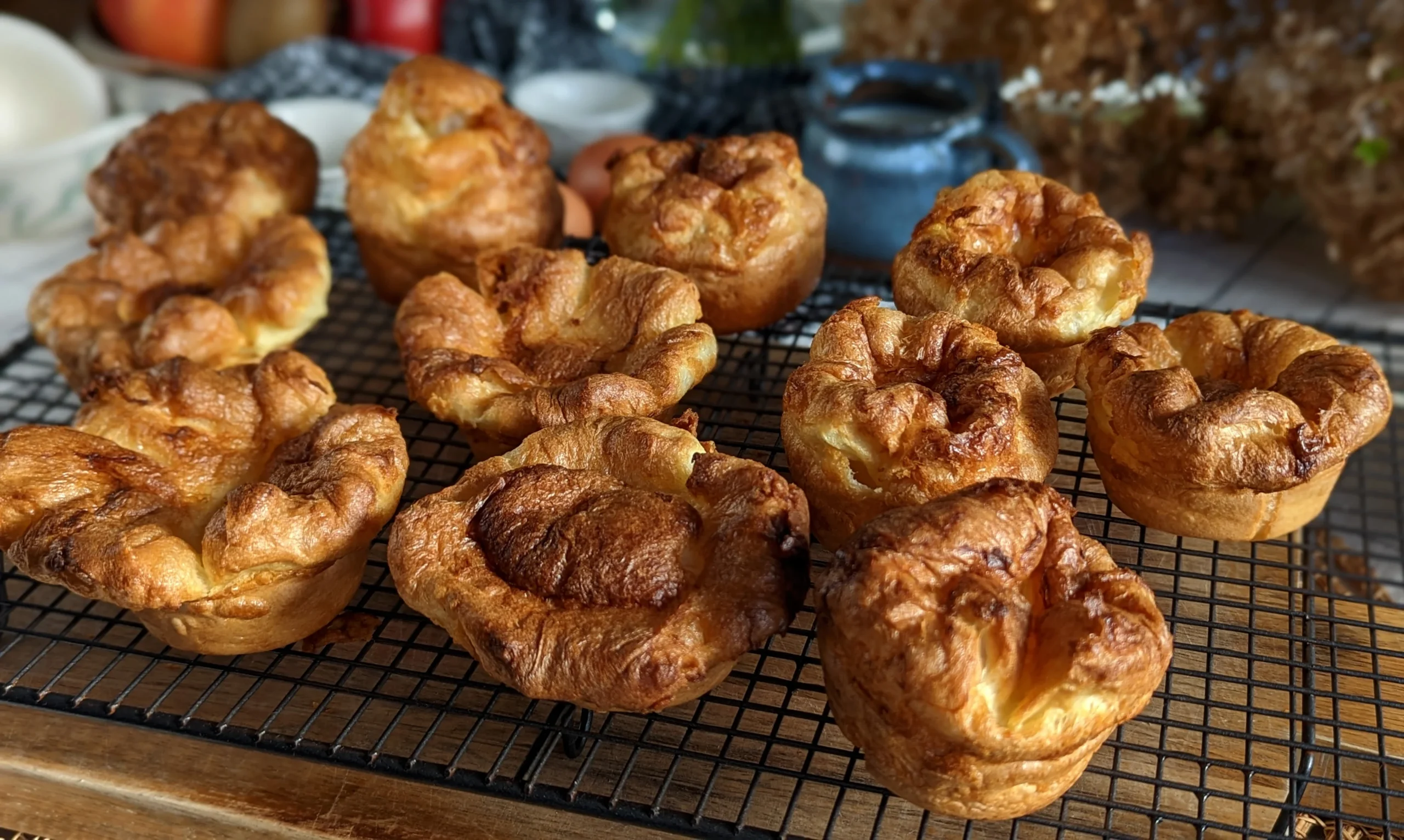
Traditionally, Yorkshire pudding is served alongside roast beef, roasted vegetables, and gravy. The batter rises dramatically during baking, forming crisp edges and a hollow center perfect for holding gravy or other fillings. Its light texture and savory flavor make it an ideal complement to rich meats and sauces.
However, the traditional recipe relies heavily on wheat flour, which contains gluten. Gluten is responsible for giving baked goods their elasticity and structure, allowing the batter to trap air and rise properly in the oven. Because of this, many people assume that Yorkshire pudding cannot be made successfully without wheat flour.
Despite these challenges, gluten free Yorkshire pudding has become increasingly popular. Thanks to the availability of gluten-free flour blends and alternative starches, cooks can now recreate the classic dish with impressive results. Modern recipes maintain the same crispy edges and fluffy interior that people love, while making the dish accessible to those who cannot consume gluten.
Understanding Gluten-Free Baking
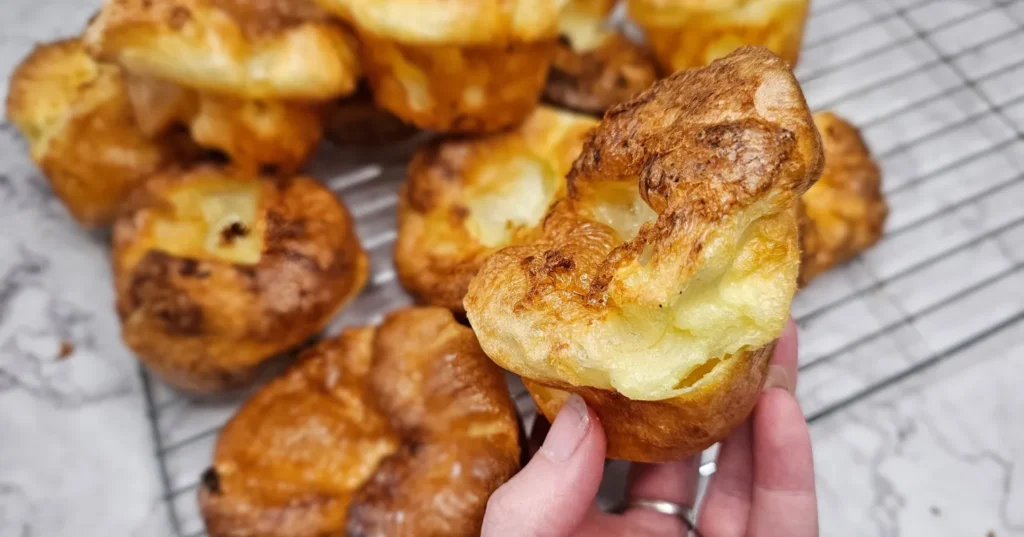
Gluten plays a gluten free yorkshire pudding crucial role in traditional baking. It is a protein found in wheat, barley, and rye that forms a stretchy network when mixed with liquid. This network traps air bubbles during cooking, helping baked goods rise and maintain their shape. In recipes like Yorkshire pudding, gluten contributes significantly to the batter’s ability to expand in the oven and create that signature puffed structure.
When gluten is removed from a recipe, achieving the same texture becomes more challenging. Gluten-free flours lack the natural elasticity that wheat flour provides. As a result, batters may struggle to hold air or rise properly during baking. This is why gluten-free recipes often require a combination of different flours and starches to mimic the structure normally created by gluten.
Fortunately, modern gluten-free baking has come a long way. Many high-quality gluten-free flour blends are specifically designed to replicate the properties of wheat flour. These blends often combine ingredients such as rice flour, potato starch, and tapioca starch to provide structure, moisture, and lightness. Some blends also include binding agents like xanthan gum to help improve elasticity.
Understanding how these ingredients work together is the key to successful gluten free Yorkshire pudding. By choosing the right flour blend and following proper techniques, you can achieve a batter that rises beautifully and produces a crisp, golden pudding. While gluten-free baking may require some experimentation, the results can be just as satisfying as traditional recipes.
Essential Ingredients for Gluten Free Yorkshire Pudding
Creating the perfect gluten free Yorkshire pudding starts with choosing the right ingredients. Although the basic structure of the recipe remains similar to the traditional version, the flour must be replaced with a gluten-free alternative that provides structure and lightness.
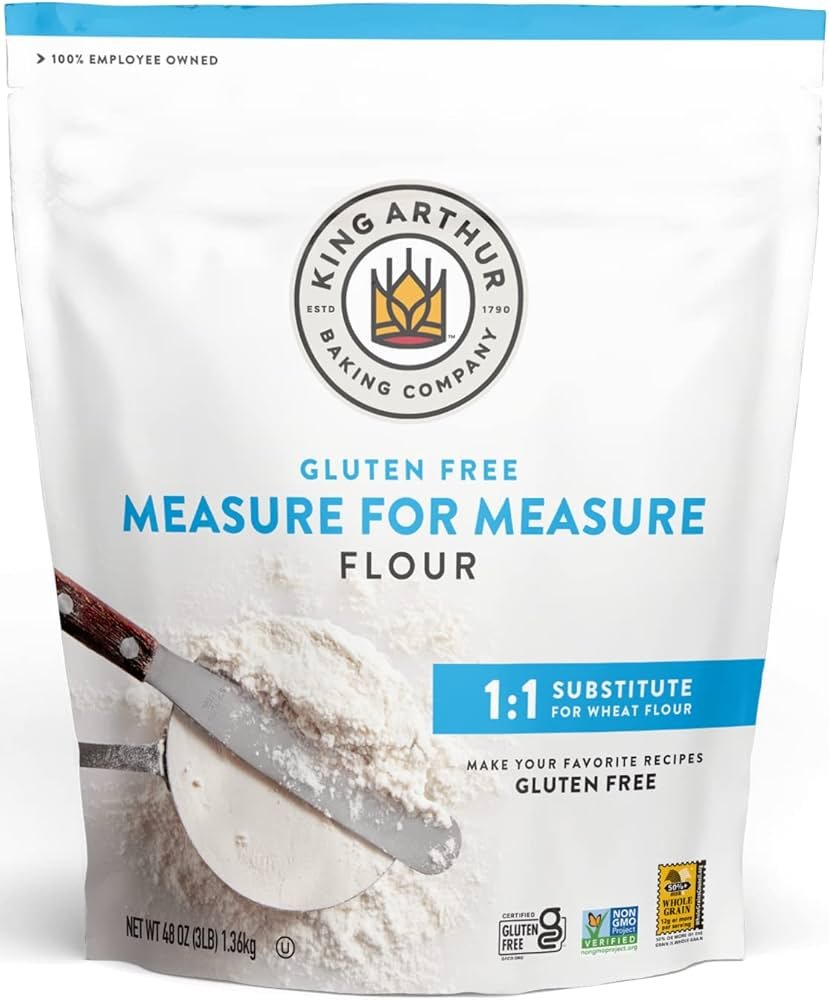
The most important ingredient is a reliable gluten-free flour blend. Many store-bought blends are designed specifically for baking and contain a balanced mix of flours and starches. These blends typically include rice flour, potato starch, and tapioca flour, which together help create a batter that mimics the properties of wheat flour. Some blends also include xanthan gum, which acts as a binder and improves the texture of gluten-free baked goods.
Eggs are another essential component of Yorkshire pudding. They help provide structure and stability to the batter, allowing it to rise properly in the oven. Eggs also contribute to the pudding’s rich flavor and soft interior. Using fresh eggs at room temperature can improve the consistency of the batter and help achieve better results.
Milk is used to create a smooth batter and adds moisture to the pudding. While traditional recipes use dairy milk, plant-based alternatives such as almond milk or oat milk can also work well in gluten-free recipes. In addition to these ingredients, salt enhances the flavor of the batter, while hot oil or beef dripping is necessary for creating the signature crispy edges.
When these ingredients are combined properly, they create a batter that can rise dramatically in the oven and produce a delicious gluten free Yorkshire pudding that rivals the classic version.
Step-by-Step Guide to Making Gluten Free Yorkshire Pudding
Making gluten free Yorkshire pudding requires attention to detail, but the process is relatively simple once you understand the key steps. The first step is preparing the batter. Begin by whisking together eggs, milk, and gluten-free flour until the mixture becomes smooth and lump-free. The batter should have a thin consistency similar to pancake batter. Allowing the batter to rest for 20 to 30 minutes can improve its texture and help the ingredients combine more effectively.
While the batter rests, preheat the oven to a high temperature, typically around 220°C (425°F). Yorkshire pudding relies on intense heat to create steam inside the batter, which causes it to rise dramatically. Place a muffin tray or Yorkshire pudding tin in the oven with a small amount of oil or beef dripping in each compartment. The oil must become extremely hot before adding the batter.
Once the oil is sizzling hot, carefully remove the tray from the oven and quickly pour the batter into each section. It is important to work quickly so the oil remains hot. Immediately return the tray to the oven and bake for approximately 20 to 25 minutes. During this time, the puddings will rise and develop a golden, crispy exterior.
Avoid opening the oven door while the puddings are baking, as sudden temperature changes can cause them to collapse. When finished, the gluten free Yorkshire puddings should appear tall, crisp, and lightly browned. Serve them immediately for the best flavor and texture.
Tips for Perfect Gluten Free Yorkshire Pudding
Achieving perfectly risen gluten free Yorkshire pudding depends on several key techniques. One of the most important factors is heat. The oven and the oil must both be extremely hot before the batter is added. This heat creates steam inside the batter, which forces it to expand and form the characteristic puffed shape.
Another important tip is to use room-temperature ingredients. Cold eggs or milk can reduce the batter’s ability to rise. Allowing ingredients to warm slightly before mixing helps the batter blend smoothly and improves the final texture.
The consistency of the batter also plays a significant role. A batter that is too thick may not rise properly, while one that is too thin may spread too much in the pan. The ideal batter should be smooth, pourable, and similar to the consistency of cream.
Finally, resist the temptation to open the oven during baking. Yorkshire puddings are sensitive to temperature changes, and opening the door too early can cause them to collapse. By following these simple tips, you can greatly increase your chances of producing tall, crispy gluten free Yorkshire puddings every time.
Conclusion
Gluten free Yorkshire pudding proves that dietary restrictions do not have to limit your enjoyment of classic comfort foods. With the right ingredients, proper techniques, and a little patience, it is entirely possible to recreate this beloved British dish without gluten. The result is a light, crispy pudding that pairs beautifully with roast dinners, savory gravies, and a variety of delicious fillings.
As gluten-free cooking continues to evolve, more people are discovering that traditional recipes can be adapted successfully without sacrificing flavor or texture. Gluten free Yorkshire pudding is a perfect example of how simple ingredient substitutions and careful preparation can transform a classic dish into an inclusive recipe that everyone can enjoy.
Frequently Asked Questions
What is the best gluten-free flour for Yorkshire pudding?
A balanced gluten-free flour blend containing rice flour, potato starch, and tapioca starch usually works best.
Why didn’t my gluten free Yorkshire pudding rise?
This can happen if the oil was not hot enough or the oven temperature was too low.
Can gluten free Yorkshire pudding be made ahead of time?
Yes, but it is best served fresh. You can reheat it in a hot oven to restore crispiness.
Can I make dairy-free gluten free Yorkshire pudding?
Yes, dairy milk can be replaced with plant-based alternatives like almond milk or oat milk.
Can gluten free Yorkshire pudding be frozen?
Yes. Once cooled, they can be frozen and reheated in the oven when needed.
What oil is best for Yorkshire pudding?
Vegetable oil, sunflower oil, or beef dripping are commonly used because they tolerate high heat.
Why is resting the batter important?
Resting allows the flour to hydrate fully and helps improve the texture of the batter.
How do I keep Yorkshire puddings crispy?
Serve them immediately after baking or reheat them in a hot oven before serving.
arlso Read flights to dubai