A government shutdown is one of the most disruptive political and economic events that can affect millions of people at once. When headlines start asking, “Is the government shutdown over?” it signals uncertainty not only in governance but also in everyday life for citizens, businesses, and federal employees. From halted public services to delayed salaries, shutdowns create ripple effects that extend far beyond politics.
Understanding whether the government shutdown is over is crucial because it directly impacts how quickly normal operations can resume. People rely on government services for everything from travel documentation to financial support programs, and a shutdown can temporarily bring these systems to a standstill. The moment a resolution is reached, there is widespread anticipation about what changes will occur and how quickly stability will return.
This article explores the latest updates, the reasons behind the shutdown, its timeline, and what it means moving forward. By the end, you will have a comprehensive understanding of the situation and be better equipped to navigate its effects.
What Is a Government Shutdown?
A government shutdown occurs when lawmakers fail to agree on a budget to fund federal operations. Without approved funding, non-essential government services are forced to close, and many federal employees are either furloughed or required to work without pay. This situation usually arises from political disagreements over spending priorities, policy issues, or broader economic concerns.
There are two main types of shutdowns: partial and full. A partial shutdown affects only certain departments or agencies, while a full shutdown halts most federal operations. Even a partial shutdown, however, can have widespread consequences. Essential services such as national security and emergency response continue, but many everyday services are paused or delayed.
Historically, government shutdowns have occurred multiple times, each with varying degrees of impact. Some have lasted only a few days, while others have extended for weeks, causing significant disruption. These events highlight the importance of bipartisan cooperation and timely decision-making in maintaining government functionality.
Is the Government Shutdown Over? Current Status Explained
The most is the government shutdown over pressing question—“Is the government shutdown over?”—depends on the latest legislative developments. In many cases, shutdowns end with either a temporary funding bill or a long-term budget agreement. A temporary resolution allows the government to reopen while negotiations continue, whereas a permanent agreement provides stability for a longer period.
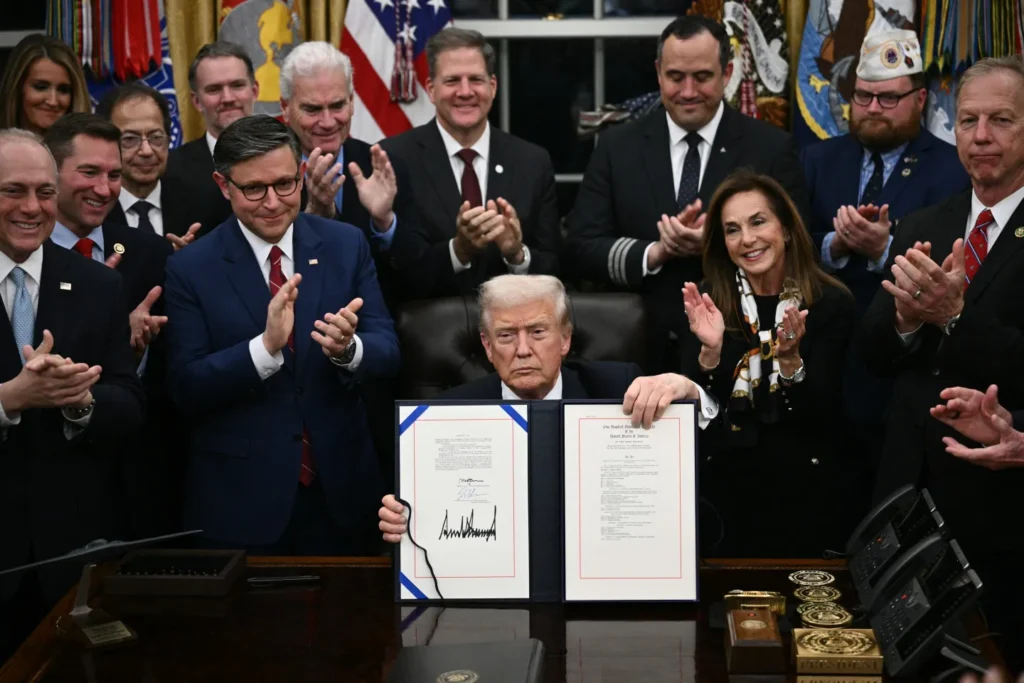
When a shutdown is declared over, it typically means that lawmakers have passed a funding bill that has been signed into law. This allows federal agencies to resume operations and employees to return to work. However, the nature of the agreement—temporary or permanent—determines whether the risk of another shutdown still looms.
It is important to note that even after the shutdown ends, recovery is not immediate. Agencies must restart operations, address backlogs, and restore services. Therefore, while the official announcement may confirm that the shutdown is over, its effects can linger for days or even weeks.
Timeline of the Government Shutdown
The timeline of a government shutdown often begins with budget negotiations that fail to reach a consensus before the funding deadline. As the deadline passes without an agreement, funding lapses, triggering the shutdown. This marks the beginning of disruptions across federal agencies.
During the shutdown, negotiations continue as lawmakers attempt to resolve their differences. Key milestones often include proposed bills, rejected agreements, and public statements from political leaders. These moments shape the direction and duration of the shutdown, influencing public perception and economic stability.
Eventually, a breakthrough is reached—either through compromise or temporary measures. This leads to the reopening of the government. However, the timeline does not end there. The aftermath includes addressing delays, processing backlogs, and evaluating the long-term consequences of the shutdown.
Why Did the Government Shutdown Happen?
Government shutdowns are typically the result of political disagreements over budget allocations. Lawmakers may clash over how funds should be distributed among various programs, such as healthcare, defense, education, or infrastructure. These disagreements can escalate, leading to a stalemate.
Another major factor is policy-related disputes. Sometimes, funding bills include provisions that one party strongly opposes. This can lead to prolonged negotiations and an inability to reach a consensus before the deadline. In such cases, the shutdown becomes a byproduct of broader political conflicts.
External factors, such as economic conditions or public pressure, can also play a role. Economic challenges may intensify debates over spending, while public opinion can influence how quickly lawmakers act to resolve the situation. Ultimately, a shutdown reflects deeper issues within the political system.
Impact of the Government Shutdown
On Federal Employees
Federal employees are among the most directly affected by a government shutdown. Many are placed on unpaid leave, while others are required to continue working without immediate compensation. This creates financial stress and uncertainty for thousands of families.
Even after the shutdown ends, employees may face challenges such as delayed paychecks and disrupted work schedules. Although back pay is often provided, the temporary loss of income can have lasting effects on personal finances.
On Public Services
Public services are significantly impacted during a shutdown. Agencies may close or operate with limited capacity, leading to delays in processing applications, issuing documents, and providing support. Services such as national parks, licensing, and certain benefits programs may be temporarily unavailable.
These disruptions can inconvenience individuals and businesses alike. For example, delays in permits or approvals can slow down projects, affecting economic activity and productivity.
On the Economy
The broader economy also feels the impact of a government shutdown. Reduced government spending and delayed payments can slow economic growth. Businesses that rely on government contracts may experience financial strain, while consumer confidence may decline.
Market uncertainty is another consequence. Investors may react to political instability, leading to fluctuations in financial markets. Although the economy typically recovers after the shutdown ends, the short-term effects can be significant.
What Happens After the Shutdown Ends?
Once the shutdown is officially over, the focus shifts to recovery and normalization. Federal agencies begin reopening, and employees return to their roles. This process involves addressing backlogs and ensuring that services are restored as quickly as possible.
One of the key priorities is compensating federal workers. In most cases, employees receive back pay for the period of the shutdown. This helps alleviate some of the financial strain experienced during the disruption.
Long-term consequences may also emerge. Lawmakers often review the causes and impacts of the shutdown to prevent future occurrences. This may lead to policy changes, improved negotiation processes, or new funding mechanisms.
What to Expect Next
Even after a shutdown ends, the possibility of another one remains if underlying issues are not resolved. Temporary funding agreements, in particular, can lead to recurring uncertainty as new deadlines approach.
Ongoing negotiations and policy discussions play a critical role in determining future stability. Lawmakers may work toward more sustainable solutions, but political differences can still pose challenges.
Experts often analyze trends and provide predictions about future shutdown risks. While it is impossible to eliminate uncertainty entirely, increased awareness and proactive measures can reduce the likelihood of repeated disruptions.
How to Stay Updated on Government Shutdown News
Staying informed is essential during a government shutdown. Reliable news sources and official government announcements provide accurate and timely information. Following updates helps individuals and businesses make informed decisions.
It is also important to verify information and avoid misinformation. Social media can spread rumors quickly, so relying on credible sources ensures that you receive accurate updates.
Setting up alerts or regularly checking trusted platforms can help you stay ahead of developments. This is particularly important for those directly affected by the shutdown.
Conclusion
The question “Is the government shutdown over?” carries significant weight, as it reflects the state of political stability and its impact on everyday life. While a resolution brings relief, the effects of a shutdown can linger, requiring time and effort to fully recover.
Understanding the causes, timeline, and consequences of a shutdown provides valuable insight into its broader implications. It also highlights the importance of effective governance and cooperation in preventing future disruptions.
As developments continue, staying informed and prepared remains key. Whether the shutdown has ended or not, its lessons serve as a reminder of the critical role that stability plays in both government and society.
Frequently Asked Questions
Is the government shutdown officially over right now?
It depends on the latest legislative updates. Check official announcements for confirmation.
How long do government shutdowns usually last?
They can range from a few days to several weeks, depending on negotiations.
Do federal employees get paid after a shutdown?
Yes, in most cases, they receive back pay once the shutdown ends.
What services are affected during a shutdown?
Non-essential services may be paused, including certain administrative and public services.
Can another government shutdown happen?
Yes, especially if temporary funding agreements are used without long-term solutions.
How does a shutdown affect the economy?
It can slow economic growth, reduce spending, and create market uncertainty.
Who decides to end a government shutdown?
Lawmakers pass a funding bill, which must be signed into law to reopen the government.
How can I stay updated on shutdown news?
Follow reliable news outlets and official government sources for accurate information.
You May Also Read linkedin games