Gluten free flour has rapidly gained popularity in recent years, not only among individuals with dietary restrictions but also among those seeking healthier and more diverse cooking options. As awareness about gluten sensitivity and celiac disease grows, more people are turning toward gluten-free alternatives to support their well-being. However, gluten free flour is not just a substitute—it opens up an entirely new world of textures, flavors, and creative possibilities in the kitchen.
Unlike traditional wheat flour, gluten free flour comes in a wide variety of forms, each with its own unique characteristics. From nut-based flours to grain alternatives, these options allow home cooks and professional bakers to experiment with recipes that are both nutritious and delicious. Understanding how these flours behave is key to achieving perfect results in your cooking and baking endeavors.
This comprehensive guide will walk you through everything you need to know about gluten free flour. From understanding its types and benefits to mastering baking techniques and avoiding common mistakes, this article is designed to help you confidently incorporate gluten-free options into your daily meals.
What Is Gluten Free Flour?
Gluten free flour refers to any type of flour that does not contain gluten, a protein commonly found in wheat, barley, and rye. Gluten is responsible for providing elasticity and structure in traditional baked goods, giving bread its chewiness and cakes their soft texture. When gluten is removed, alternative ingredients must be used to replicate these properties.
Gluten free flours are typically made from a variety of sources such as rice, nuts, seeds, and root vegetables. These flours can be used individually or blended together to create a balanced texture and flavor profile. Unlike wheat flour, which is relatively uniform, gluten-free options vary significantly in density, moisture absorption, and taste.
There are two main categories of gluten free flour: single-ingredient flours and flour blends. Single-ingredient flours, such as almond or coconut flour, have distinct characteristics and are often used for specific recipes. On the other hand, gluten-free flour blends combine multiple ingredients to mimic the behavior of wheat flour more closely, making them ideal for beginners.
Types of Gluten Free Flour
Gluten free flour comes in a wide range of varieties, each suited for different culinary applications. Grain-based flours like rice, sorghum, Gluten Free Flour and millet are among the most commonly used. Rice flour, for example, is mild in flavor and works well in both sweet and savory dishes, while sorghum flour adds a slightly sweet, earthy taste to baked goods.
Nut and seed-based flours, such as almond flour and flaxseed meal, are rich in nutrients and provide a moist texture. Almond flour is particularly popular in gluten-free baking due to its slightly sweet flavor and high protein content. Coconut flour, on the other hand, is highly absorbent and requires additional liquid in recipes, making it a bit more challenging to work with.
Starch-based flours like tapioca, potato starch, and arrowroot are often used to improve texture and binding. These ingredients help replicate the elasticity that gluten typically provides. Many recipes rely on a combination of these starches with other flours to achieve the desired consistency.
Gluten free flour blends are perhaps the most versatile option. These blends are carefully formulated to provide a balanced mix of protein, starch, and fiber, making them suitable for a wide range of recipes. Whether store-bought or homemade, these blends simplify the process of gluten-free baking.
Benefits of Using Gluten Free Flour
One of the primary benefits of gluten free flour is its suitability for individuals with gluten intolerance or celiac disease. For these individuals, consuming gluten can lead to digestive issues and other health complications. Switching to gluten-free alternatives allows them to enjoy a wide variety of foods without discomfort.
In addition to addressing dietary restrictions, gluten free flour can offer nutritional advantages. Many gluten-free flours, such as almond and flaxseed flour, are rich in protein, healthy fats, and essential nutrients. These ingredients can enhance the overall nutritional profile of your meals, making them both satisfying and wholesome.
Another significant benefit is versatility. Gluten free flour can be used in a wide range of recipes, from baked goods to savory dishes. With the right combination of ingredients and techniques, it is possible to create textures and flavors that rival traditional wheat-based recipes.
How to Choose the Right Gluten Free Flour
Choosing the right gluten free flour depends largely on the type of recipe you are preparing. For light and airy baked goods like cakes and muffins, a finely milled flour or a balanced flour blend is often the best choice. For denser recipes like bread, combining multiple flours with starches can help achieve better structure.
It is also important to consider the flavor profile of the flour. Some gluten-free flours, such as coconut flour, have a strong taste that may not be suitable for all recipes. Others, like rice flour, are more neutral and can be used in a variety of dishes without overpowering other ingredients.
Another key factor is the balance between protein and starch. Flours with higher protein content provide structure, while starches contribute to softness and elasticity. Understanding this balance can help you select the right flour or combination of flours for your needs.
Gluten Free Flour Substitutions and Ratios
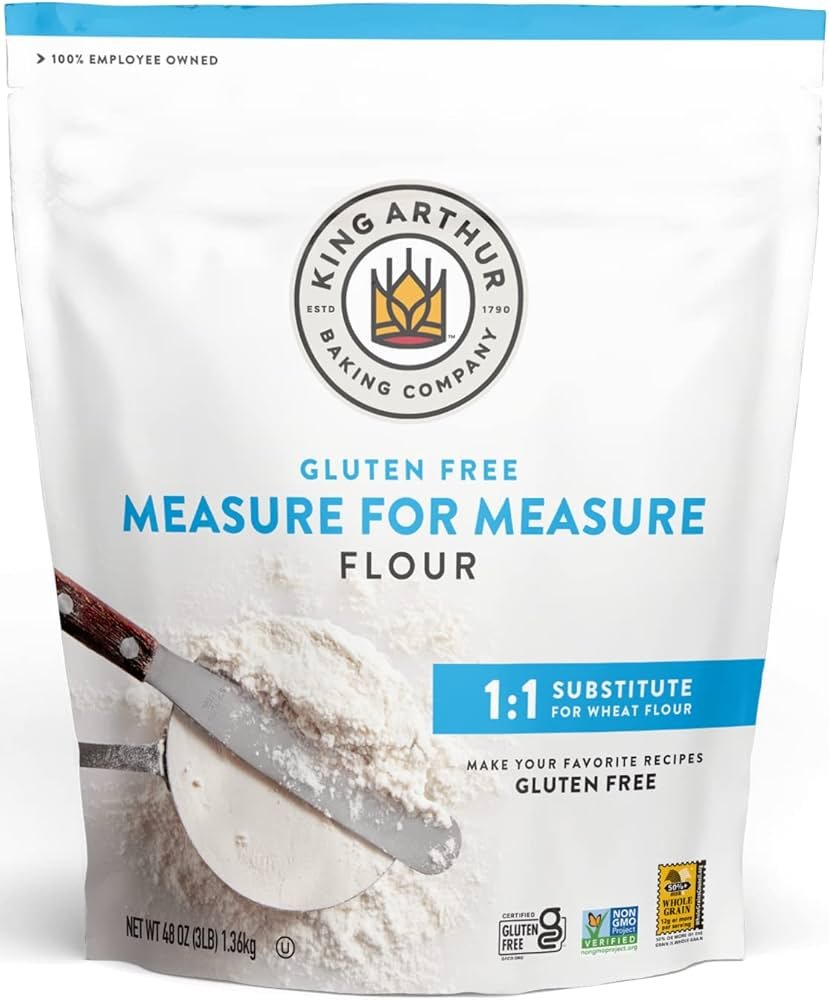
Substituting gluten free flour for regular flour is not always straightforward. While some gluten-free flour blends are designed for one-to-one substitution, others require adjustments in liquid, fat, or binding agents. This is because gluten-free flours behave differently and do not provide the same structure as wheat flour.
Binding agents such as xanthan gum or guar gum are often added to gluten-free recipes to mimic the elasticity of gluten. These ingredients help hold the batter together and prevent baked goods from becoming crumbly. Eggs can also act as natural binders, adding moisture and stability.
It is important to follow recipes specifically designed for gluten-free flour whenever possible. Experimentation is encouraged, but understanding the role of each ingredient will help you achieve consistent results.
Tips for Baking with Gluten Free Flour
Baking with gluten free flour requires a slightly different approach compared to traditional baking. One of the most important tips is to ensure proper hydration. Gluten-free flours often absorb more liquid, so adjusting the moisture content is crucial for achieving the right texture.
Another key technique is allowing the batter or dough to rest before baking. This gives the flour time to fully absorb the liquid, resulting in a smoother and more cohesive mixture. Skipping this step can lead to grainy or uneven textures in the final product.
Mixing techniques also play a role in gluten-free baking. Overmixing can lead to dense results, while undermixing may cause uneven distribution of ingredients. Finding the right balance is essential for achieving light and fluffy baked goods.
Popular Recipes Using Gluten Free Flour
Gluten free flour can be used to create a wide variety of delicious recipes. From soft and fluffy cakes to crispy cookies, the possibilities are endless. Pancakes and waffles made with gluten-free flour are particularly popular, offering a delightful breakfast option for those avoiding gluten.
Savory dishes also benefit from gluten-free alternatives. Pizza crusts, flatbreads, and even pasta can be made using gluten-free flour, allowing individuals to enjoy their favorite meals without compromise. With the right techniques, these dishes can be just as satisfying as their traditional counterparts.
Experimenting with different recipes is one of the best ways to discover the versatility of gluten free flour. Each type of flour brings its own unique characteristics, making every dish a new and exciting experience.
How to Make Your Own Gluten Free Flour Blend
Creating your own gluten free flour blend allows you to customize the texture and flavor according to your preferences. A basic blend typically includes a combination of whole-grain flours and starches. For example, mixing rice flour with tapioca starch and potato starch can create a balanced and versatile blend.
Customizing your blend for specific recipes can further enhance your results. For instance, adding almond flour can improve moisture and richness, while incorporating sorghum flour can add depth of flavor. Experimentation is key to finding the perfect combination.
Proper storage is also important when making your own flour blend. Keeping the mixture in an airtight container and storing it in a cool, dry place will help maintain its freshness and quality.
Common Mistakes to Avoid
One of the most common mistakes when using gluten free flour is relying on a single type of flour for all recipes. Each flour has unique properties, and using only one can result in undesirable textures. Combining different flours often yields better results.
Another mistake is neglecting the importance of binding agents. Without ingredients like xanthan gum or eggs, baked goods may fall apart easily. Ensuring proper structure is essential for successful gluten-free baking.
Incorrect measurements can also lead to issues. Gluten-free flours can vary in density, so using precise measurements and following recipes carefully is crucial. Avoiding these common pitfalls will help you achieve consistent and delicious results.
Storage and Shelf Life of Gluten Free Flour
Proper storage of gluten free flour is essential for maintaining its quality and extending its shelf life. Most gluten-free flours should be stored in airtight containers to prevent moisture and contamination. Keeping them in a cool, dry place is also important.
Some flours, particularly nut-based ones, have a shorter shelf life due to their higher fat content. Refrigeration or freezing can help prolong their freshness and prevent them from going rancid. Always check for signs of spoilage, such as unusual odors or discoloration.
By following proper storage practices, you can ensure that your gluten free flour remains fresh and ready to use whenever you need it.
Conclusion
Gluten free flour is more than just a dietary alternative—it is a gateway to creative and nutritious cooking. With a wide variety of options available, understanding the characteristics of each type can help you achieve outstanding results in the kitchen. From baking soft cakes to crafting savory dishes, gluten-free flour offers endless possibilities.
By learning how to choose the right flour, mastering substitution techniques, and avoiding common mistakes, you can confidently embrace gluten-free cooking. Whether you are new to this lifestyle or looking to refine your skills, gluten free flour provides a versatile and rewarding culinary experience.
Frequently Asked Questions
What is the best gluten free flour for baking?
A balanced gluten-free flour blend is often the best choice for baking, as it mimics wheat flour more closely.
Can I substitute gluten free flour 1:1 for regular flour?
Some blends allow one-to-one substitution, but others require adjustments in liquid and binding agents.
Does gluten free flour taste different?
Yes, different flours have unique flavors, but blends can help create a neutral taste.
Why does gluten free baking require xanthan gum?
Xanthan gum helps provide structure and elasticity, replacing the role of gluten.
Which gluten free flour is healthiest?
Almond and flaxseed flours are often considered among the healthiest due to their nutrient content.
How do I prevent baked goods from becoming dry?
Ensure proper hydration and use ingredients like eggs or oil to retain moisture.
Can I mix different gluten free flours together?
Yes, combining flours often improves texture and flavor.
Is gluten free flour suitable for weight loss?
It can be, depending on the type of flour and overall diet.
How should I store gluten free flour?
Store in airtight containers in a cool, dry place, or refrigerate for longer shelf life.
What is the difference between gluten free flour and almond flour?
Gluten-free flour is a general term, while almond flour is a specific type made from ground almonds.
arlso Read san sebastian cheesecake